

One of the greatest gifts of homeschooling is the freedom to step away from the rigid, one-size-fits-all curricula often found in traditional schools. In a conventional classroom, a teacher must select a single book for thirty entirely different students to read at the exact same pace. In a homeschool setting, however, education can be truly child-centered.
To truly spark a lifelong passion for literature from the early elementary years through high school graduation, parents can tap into a powerful catalyst: student autonomy. By integrating meaningful choice into your reading routines, you transform literature from a dry, compliance-based subject into a vibrant journey of personal discovery.
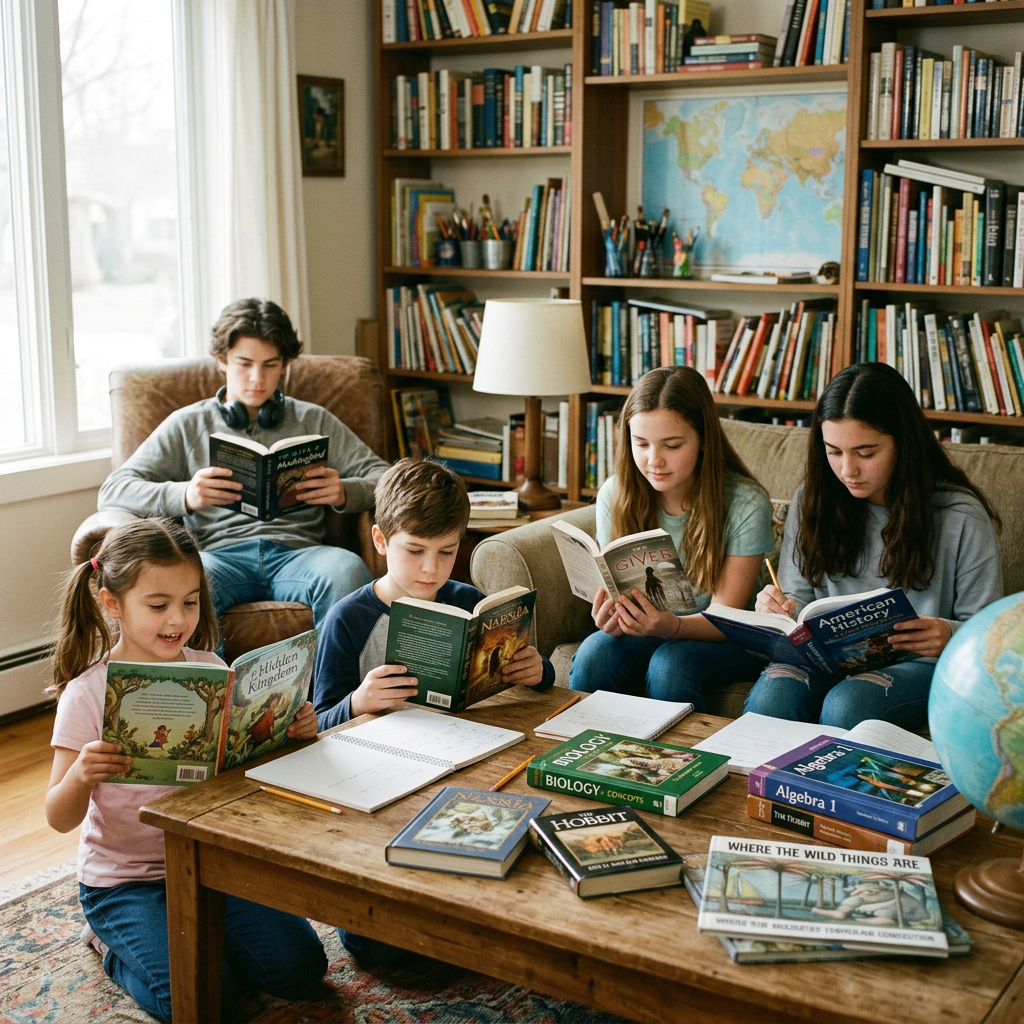
Why Homeschooled Students Should Choose Their Literature
The core argument for student choice rests on intrinsic motivation. When children are forced to read books that feel entirely disconnected from their lives or current passions, reading quickly begins to feel like a chore. Conversely, when students have a say in what they read, their engagement plummets in the best way possible—they get lost in the story.
Allowing your child to select their own reading materials honors their unique personality, current obsessions, and developing identity. Choice shifts the dynamic from a parent-driven assignment to an active, independent relationship with text. It empowers young readers to seek out stories that act as “mirrors” to reflect their own lived experiences, or “windows” to explore unfamiliar worlds, building a genuine, self-sustained drive to turn the page.
How to Guide Literary Choices Effectively Across the Grades
Giving your child a choice doesn’t mean standing back and letting them drift aimlessly through a library. Effective choice requires thoughtful, structured mentorship that evolves as your child grows.
Lower Elementary (Grades 1–3): Building Confidence
At this foundational stage, the primary goal is decoding and building confidence. Use the “Five Finger Rule” to help them choose: have them read a single page from a book. If they stumble or struggle with five or more words, the book is a bit too challenging to read independently right now and might be better suited as a family read-aloud. Focus heavily on highly illustrated chapter books, rich picture books, and early graphic novels that align with their immediate interests—whether that is dinosaurs, fairy tales, or backyard bugs.
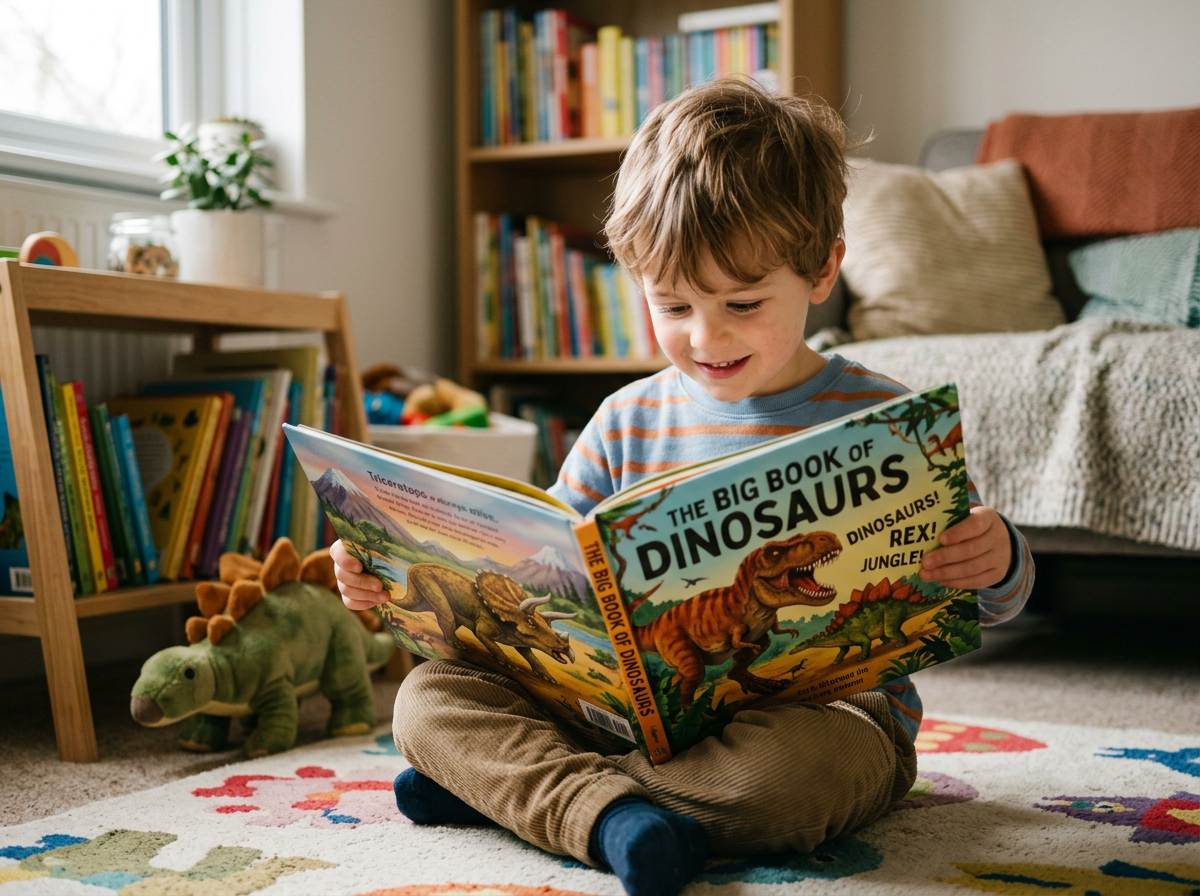
Upper Elementary & Middle School (Grades 4–8): Deepening Interests
As reading fluency solidifies, students enter a phase of intense curiosity. Guide them toward books that dive deep into their specific niches. If your child is fascinated by a specific historical era, offer a selection of historical fiction or biographies from that period. Introduce them to varied formats like memoirs, poetry anthologies, and fantasy series.
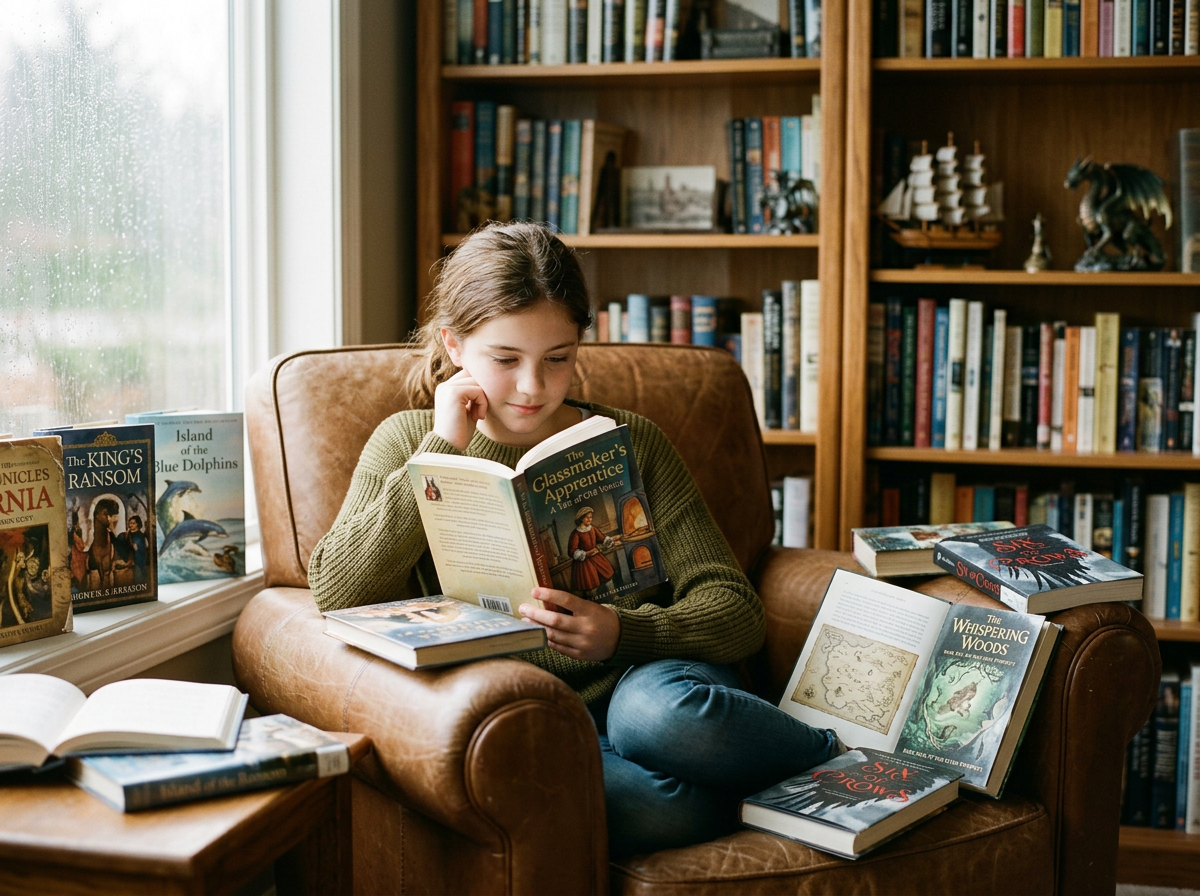
High School (Grades 9–12): Cultivating Critical Thinkers
For mature students, choice can be structured around big questions or themes rather than specific titles. If your high schooler needs to study American Literature, don’t just hand them a strict chronological syllabus. Instead, give them a curated list of twenty foundational books—ranging from classic political essays to contemporary novels—and let them choose the ten that resonate most with their personal goals, career interests, or philosophical questions.
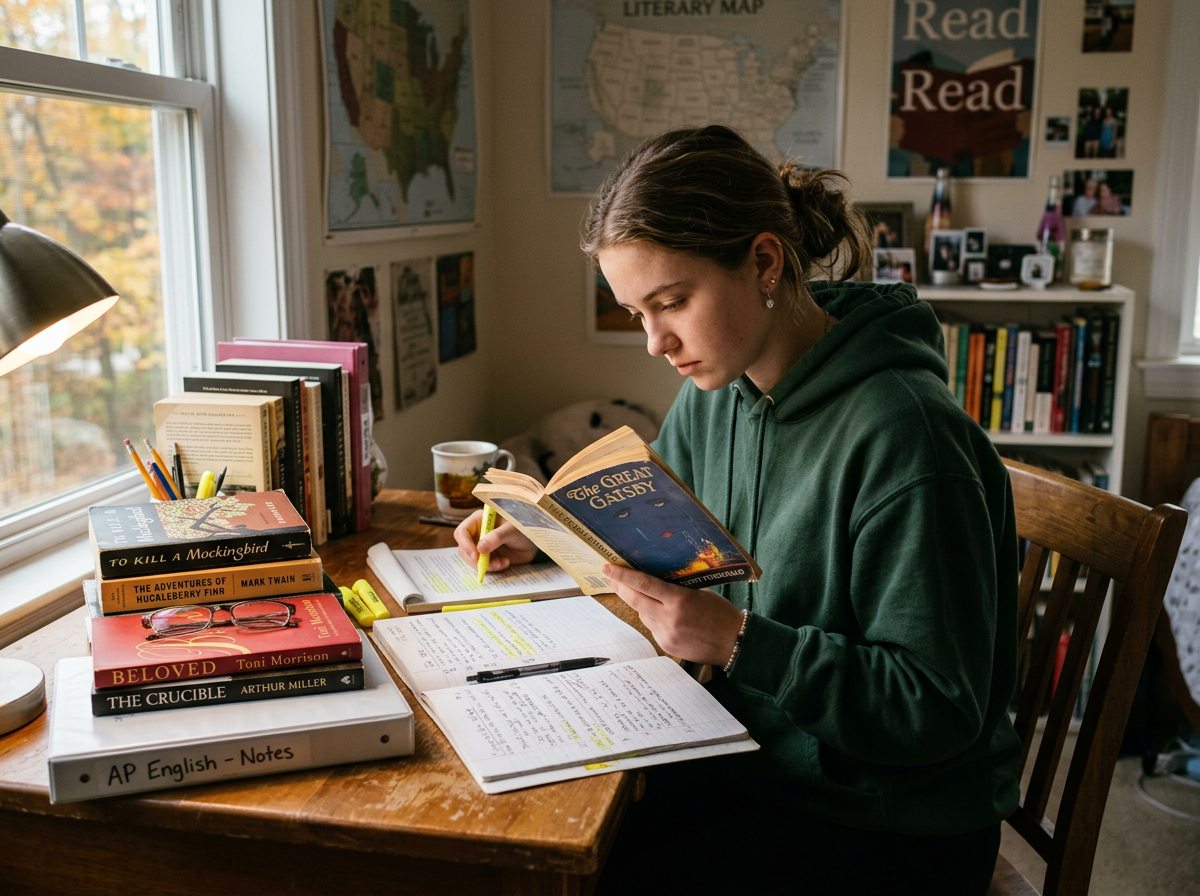
Asynchronous Strategies to Spark a Love of Reading
Because homeschooled students often progress asynchronously—exceling in reading comprehension while still developing writing skills, or vice versa—strategies should focus on purely enjoying the text without heavy administrative pressure.
- Curated “Book Buffets”: Periodically gather five to ten diverse books from the library centered around a loose theme or genre. Lay them out on the table and give a quick, enthusiastic “movie-trailer” style summary of each. Let your child browse, flip through pages, and select their next read.
- Family Book Clubs: If you are homeschooling multiple children at different grade levels, you don’t need everyone reading the same book. Pick a shared theme—such as Survival or Invention—and let every child choose a book at their own reading level. Gather together to discuss how the different characters handled the shared theme.
- Protected Free Voluntary Reading (FVR): Set aside 15 to 30 minutes every day for completely unassigned, ungraded reading. During this time, there are no book reports, no comprehension worksheets, and no analysis questions. Let them read purely for pleasure.
The Evidence: What the Science Says About Choice
Emphasizing student choice isn’t just an idealistic educational philosophy; it is supported by decades of literacy research. When children have control over their reading selections, it yields substantial cognitive and academic dividends:
1. Superior Comprehension
Studies show that text choice directly triggers a psychological phenomenon known as “situational interest.” When a student is genuinely interested in a topic, this interest actively frees up cognitive resources. They process the text more deeply, meaning their immediate reading comprehension scores spike significantly compared to when they are forced to read assigned text.
2. Natural Vocabulary Acquisition & Retention
When children read books they actively care about, they retain more complex sentence structures and enrich their vocabulary naturally through context clues. This is especially true for independent readers who engage in high volumes of voluntary reading; they encounter an incredibly diverse range of words that rarely appear in spoken conversation.
3. Long-Term Academic Performance
The relationship between choice, motivation, and achievement creates a powerful momentum in literacy. Giving students choice builds intrinsic motivation. Motivated students choose to read more frequently, and a higher reading volume directly correlates with long-term gains in critical thinking, generalized academic performance, and lifelong learning success.
By centering your homeschool literature curriculum around student choice, you do far more than teach your child how to read—you nurture an independent individual who truly loves to read.
My Teaching Library has some book units ready to download and use! Here are some examples:
- My First Little House Books | Literature Unit
- Little House of the Prairie Literature BUNDLE | Laura Ingalls Wilder
- Judy Blume’s 5 Unit Fudge Series | Novel Study Bundle
- Advanced Novel Study | Holes
- Pride and Prejudice Novel Study
- To Kill a Mockingbird Novel Study
- The Hobbit – Novel Study
My Teaching Library has several ready to download and read books as well:
- Great Expectations (Dickens)
- Stories of the Railroad
- The Prairie (Cooper)
- Chasing an Iron Horse – A Boy’s Adventures in the Civil War
- The Legend of Sleepy Hollow (Washington Irving)
- Jack and Jill | Louisa May Alcott
- Little Men | Louisa May Alcott
- The Adventures of Huckleberry Finn | Mark Twain
- Life on the Mississippi | Mark Twain
- Moby Dick | Herman Melville
- The Scarlet Letter (Nathaniel Hawthorne)
- Children’s Literature
Join the My Teaching Library family with an All-Access membership. A single, one-time purchase of a Lifetime membership grants your entire family forever access to our massive PreK-12th grade homeschooling resource library, eliminating recurring fees! We also offer an annual membership if you want to try it out or won’t be homeschooling long.
Enjoy instant downloads of thousands of resources—from full curriculum sets and comprehensive unit studies to notebooking sets, organizational helps, worksheets, games and more. Plus, as our catalog grows, you can access every future release and update absolutely free. Empower your homeschooling journey from early phonics to high school history with one comprehensive, lifelong toolkit.

Discover more from Library of Learning Resources
Subscribe to get the latest posts sent to your email.
