

(This post is written by My Teaching Library’s owner, Lynda Ackert)
I was just 15 when I came to know Christ and through the years, I’ve always wanted to know more about prayer. When I spoke up about my desire to learn more about prayer within one of my small groups, the responses I received were, “Just prayer what’s on your heart.” or “Just talk to Him.”
Yes, that’s what I’ve done through the years, but I wanted more.
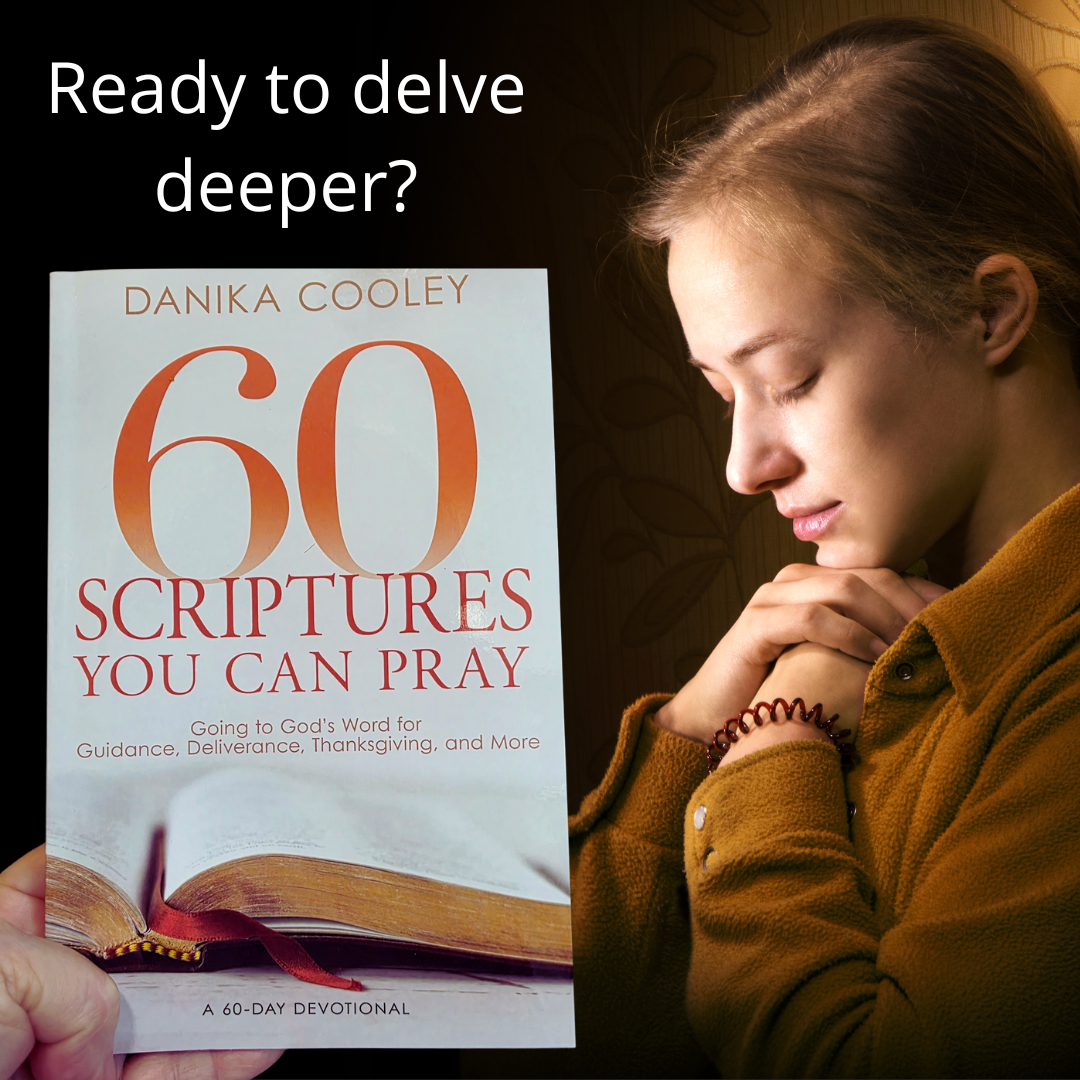
My yearning to know more began years back when I was attending a church in Colorado. The pastor did a several week series on the Lord’s Prayer. Section by section, it made my heart know there was more to prayer. More recently, I found a short study which I embarked upon. However, I still wanted more. Then, within a matter of days, I learned of Danika Cooley’s book, “60 Scriptures You Can Pray”.
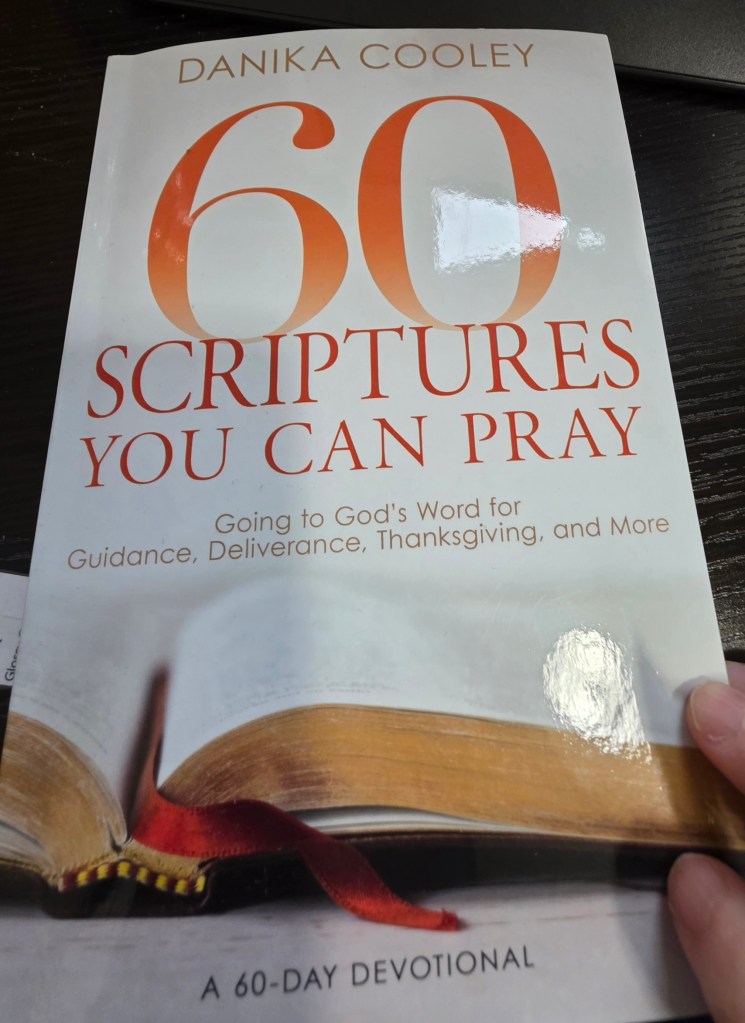
Danika’s book isn’t an in-depth, time-consuming one to read…It is, however, thought provoking and one that I’ve added on top of my daily routine of bible study.
It is divided up into sections, (Prayers of praise, thanksgiving, confession, supplication, intercession, deliverance, lament and guidance) and written so that you may read it from cover to cover or skip around through the sections that we believe we most need at any given moment in time. If you read one section a day, it will take you 60 days to complete.
Each section begins with scripture, includes a section of scripture to read (from a few verses to a chapter), and asks us a question to get us thinking about our own lives. She then describes what takes place within the section of scripture we’ve just read before bringing it back to us, our life, our circumstances, our walk and relationship with Him. At the end of each section, she gives us a prayer to pray.
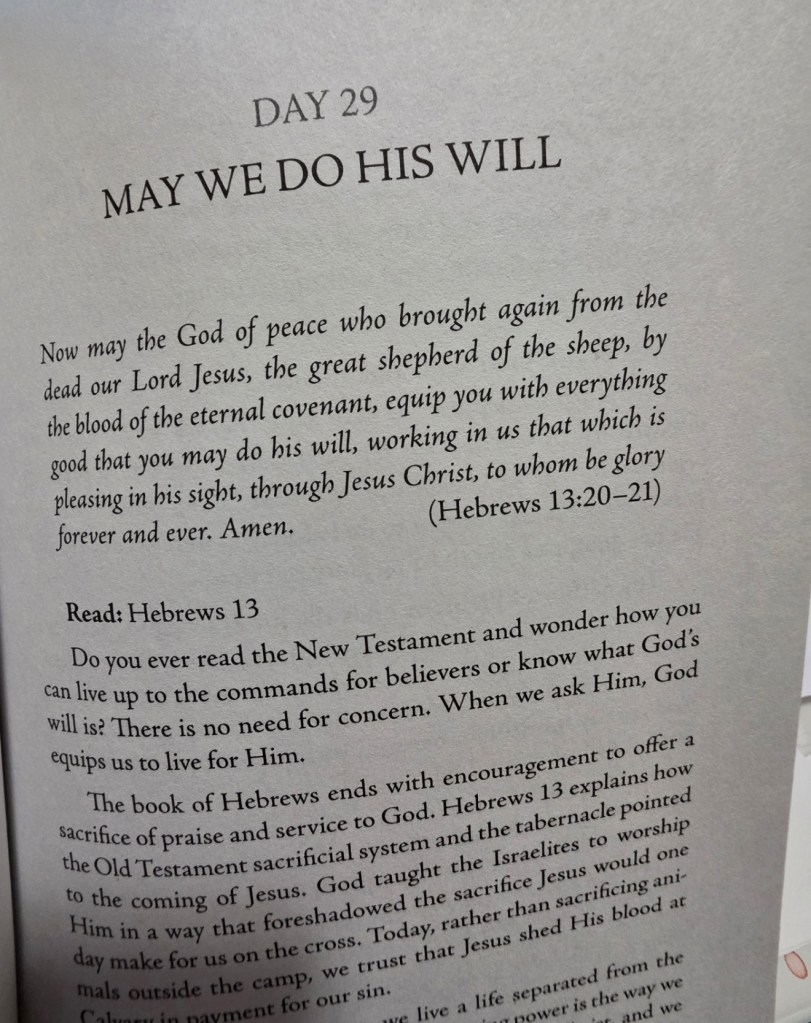
This isn’t a book I’ll read and then place on a bookshelf to gather dust. It is one I’m reading cover to cover and then will use in the future, section by section, pulling from it to refresh, renew, advise and to grow.
Recommendation: Add “60 Scriptures You Can Pray” to your library, using it as an individual study or within your local small group!
Something for the teens in your life…
What is the heart? What does God’s word say about the heart? How important is it that our youth…our teens…understand what the bible teaches us about the heart?
The heart is central to our relationship with God. It influences our thoughts, emotions and moral choices.
Modern culture tells us to “Follow our heart” and to “Do what feels right” but is that what God’s word teaches us?
The Bible uses the term “heart” to describe the core of a personal being. It includes out thoughts, emotions, will and spiritual life.
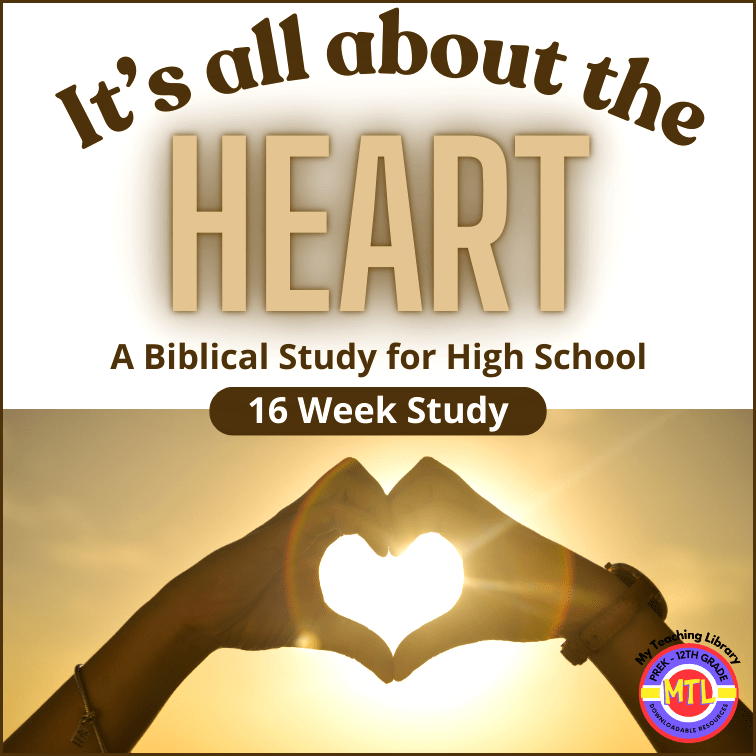
It’s All About the Heart is 16-week bible study that helps teens explore, memorize and apply God’s Word.
This 16-week (daily – Monday through Friday) study has been created for high school students to study God’s word and what is said about the heart.
During weeks 1-15, students will take one key verse and study it in-depth and in context. Students will be required to open their bibles, to read, think, memorize, discuss and journal as they work throughout the week.
Passages and explanations are provided to guide them along their journey through scripture. Week 16 will pull all that is learned together and give students a clear representation of the gospel.
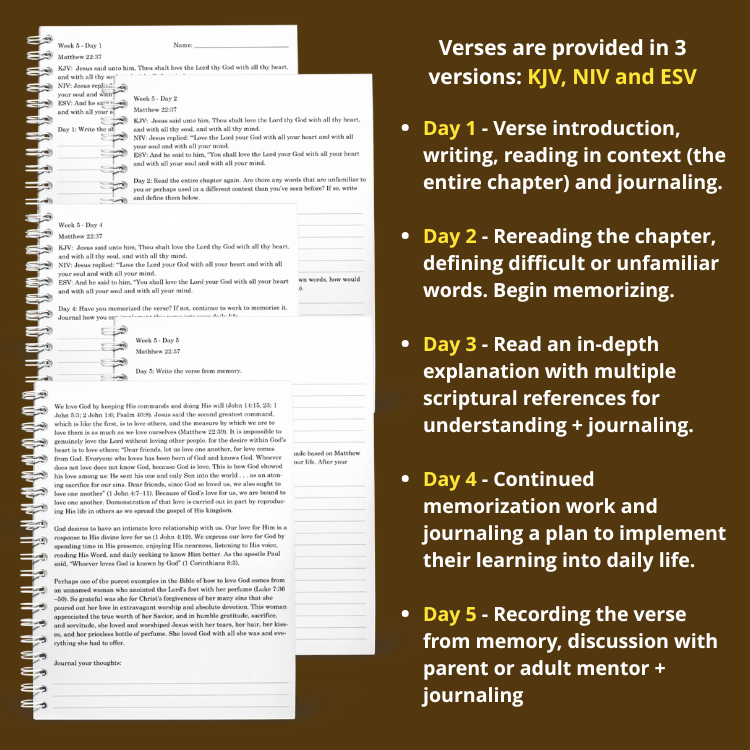
Verses are provided in 3 versions: KJV, NIV and ESV
- – Day 1: Verse introduction, writing, reading in context (the entire chapter) and journaling.
- – Day 2: Rereading the chapter, defining difficult or unfamiliar words. Begin memorizing.
- – Day 3: Read an in-depth explanation with multiple scriptural references for understanding + journaling.
- – Day 4: Continued memorization work and journaling a plan to implement their learning into daily life.
- – Day 5: Recording the verse from memory, discussion with parent or adult mentor + journaling
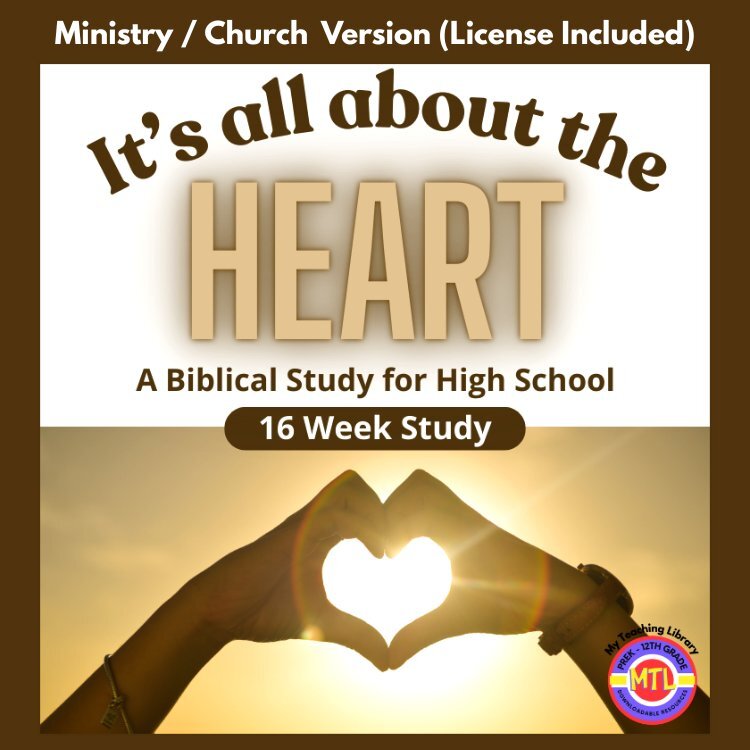
An edition is also now available for Local Ministries / Church Youth Groups!
Visit: My Teaching Library
My Teaching Library is designed to be the “ultimate toolbox” for families who want to escape the rigid structure of traditional boxed curricula. It offers over 80,000 pages of educational materials, allowing you to curate a learning path that is specifically tailored to your children’s interests and pace.
Here is how you can use this resource to build an experience as unique as your family:
1. Move from “Boxed” to “Boutique”
Traditional curriculum often forces a child to follow a set path. My Teaching Library allows you to “boutique” your child’s education:
- Skill-Specific Picking: If your child is at a 5th-grade level in Reading but a 3rd-grade level in Math, you can download specific resources for each level without buying two separate “grade kits.”
- Interest-Led Science: Instead of a generic science book, you can choose deep-dive unit studies on specific topics like Botany, Human Anatomy, or Zoology.
- Diverse Formats: You can mix traditional worksheets with Lapbooks (interactive folders), Notebooking pages, and Project-based learning to match how your child learns best.
2. Flexible Membership Models
The platform is structured to support different levels of commitment:
- The Al La Carte Option: You can purchase individual units or workbooks if you just need to fill a specific “gap” in your current routine.
- Annual All-Access Membership Subscription: You get unlimited access to every resource on the site for a year. This is ideal for “Eclectic Homeschoolers” who like to pivot topics frequently based on their kids’ latest obsessions.
- Lifetime All-Access Membership: A one-time investment that covers your family’s entire journey from PreK through 12th grade.
3. Beyond the “Core Four”
One of the most unique aspects of My Teaching Library is its massive collection of “extras”….
- Organizational Tools: It includes lesson planners, high school transcript forms, and attendance trackers to keep the “business side” of your homeschool unique but professional.
- Holiday & Seasonal Units: You can pause your regular schedule to spend a week on Presidents’ Day, Solar Eclipses, or Cultural Festivals.
- Electives: Find resources for Character Education, Fine Arts, and even specialized math glossaries to help parents who are teaching advanced subjects.
Discover more from Library of Learning Resources
Subscribe to get the latest posts sent to your email.
